

Anyone who knows me knows two things: I have lived outside the United States as both a child and an adult, and I love to travel.
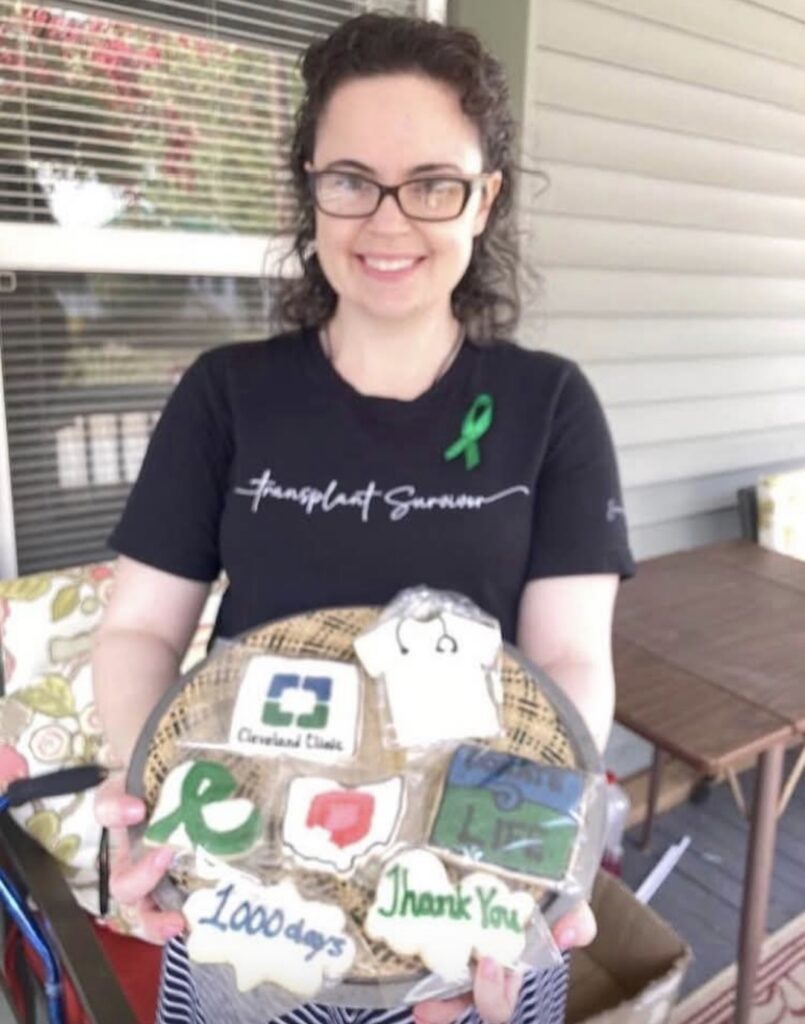
The most relevant part of my story is that I received an isolated intestinal transplant in December 2022. About a year and a half later, I took my first international trip post-transplant.
I do not remember much about the three years leading up to my transplant, but my parents promised to take me anywhere in the world WHEN – not if, as I would pragmatically say – I felt better. That is how we ended up spending two weeks in England on what I cleverly named my “Thanks-for-Not-Dying Trip,” like a reverse Make-A-Wish. Surprisingly, my parents were not nearly as amused by the name as I was.
We spent time in Stratford-upon-Avon, Shakespeare’s birthplace, followed by a week in the Lake District, where Beatrix Potter lived and created her children’s books. Did I mention that I am a bit of a nerd?
It was the perfect first trip. I had visited Stratford before, so it felt familiar, and neither destination was too busy or overwhelming. Before my transplant, I was only awake for a few hours each day. Although I now have much more energy, I still need daily naps, and this trip gave me the flexibility to rest.
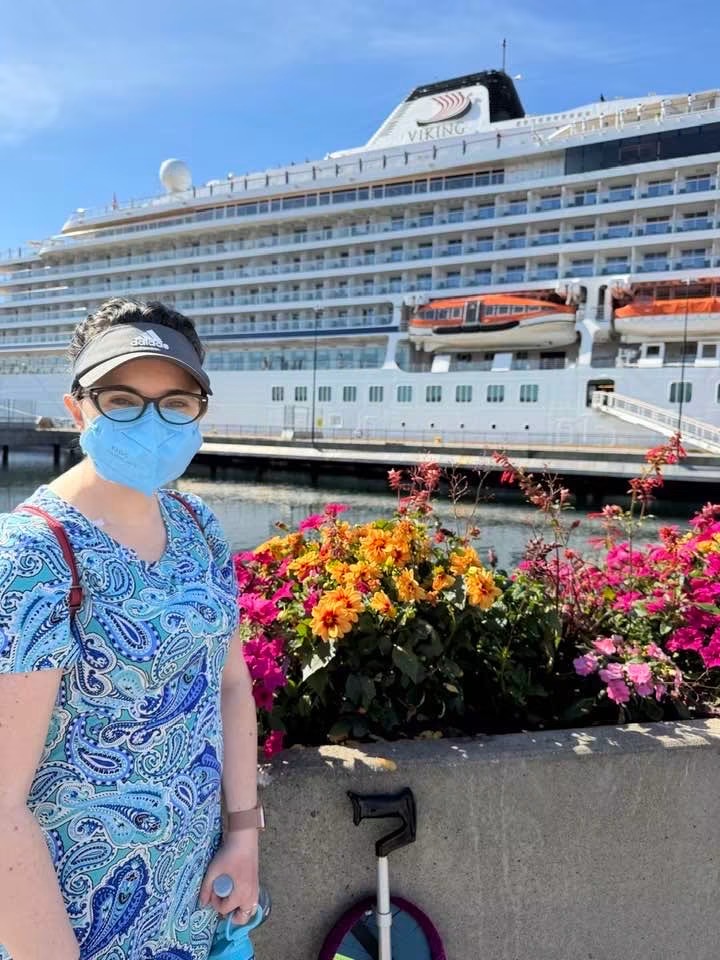
This summer, three and a half years after my transplant, we took another two-week trip, this time to Scandinavia. The first part was a cruise beginning in Norway and ending in Amsterdam, where we stayed for several additional days.
Before anyone questions the wisdom of an immunocompromised transplant recipient going on a cruise, believe me, I had the same concerns. Cruise ships are known for outbreaks of illnesses such as norovirus, and buffets can present additional food-safety risks. Add thousands of people sharing one space, and there is plenty for any traveler, especially a transplant recipient, to consider.
We selected our cruise carefully. It was adults-only, carried fewer than 1,000 guests, emphasized restaurants rather than buffets, and had three physicians and five nurses onboard. The cruise line also accommodated my medical needs with refrigerator space for my fluids, extra pillows so I could sleep at an incline, reserved seating during bus rides, and plenty of ginger ale.
Normally, my dad plans our trips, and he is excellent at it, but this time we worked with a travel agent who arranged both the cruise and our flights. This helped reduce potential complications from delays, cancellations, or unexpected medical issues. My dad also contacted the airline, TSA, and cruise company so we knew what to expect.

Here are some of the lessons we learned.
Ask for the help you need
The airline can note that you have a disability and may require accommodations. You do not necessarily need to disclose your diagnosis.
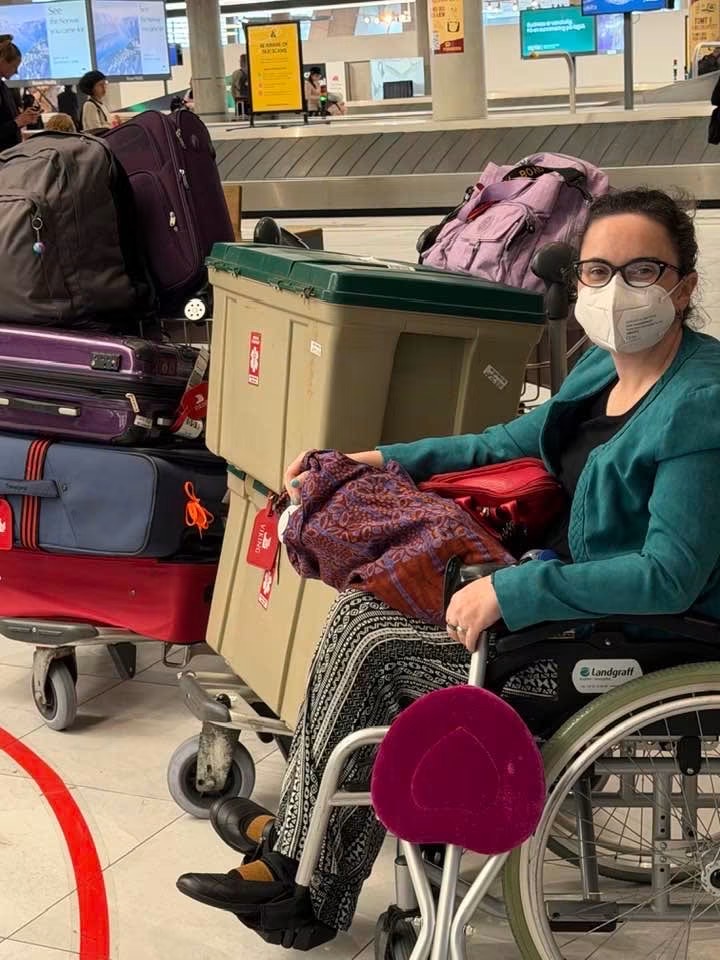
Wheelchair assistance or an airport cart can make long terminals, security lines, and connections far less exhausting. Early boarding also gives you additional time to settle in and safely store your carry-on items.
I used a Hidden Disabilities sunflower lanyard during both of my international trips. More than 350 airports participate in the program, and some offer sunflower lanyards, sensory rooms, and quiet spaces.
Plan carefully for medications and supplies
All of my medications stayed with me in my carry-on luggage. I brought more than I needed for the scheduled length of the trip in case we experienced a canceled flight, an unexpected hospital admission, or another delay.
Research the medication laws of every country you plan to visit. A medication that is legal with a prescription at home may be restricted elsewhere. Keep medications properly labeled and carry copies of your medication list and letters from your medical providers.
My medical needs are unusually complex. I run three liters of IV fluids each day, and the bags must remain cool because they are customized according to my weekly laboratory results. I traveled with more than 150 pounds of supplies packed into two large trunks. Each trunk contained a detailed inventory, along with letters from my physician and infusion pharmacist.
Airline policies for medical equipment and baggage vary, so contact the airline well in advance and ask what documentation, weight limits, or special arrangements may apply.
I also carried an extra infusion pump, electrolyte packets recommended by my medical team, snacks for low blood sugar, an extra change of clothes, hand sanitizer, disinfecting wipes, masks, and a foldable cane.
My days of traveling light may be over, but my days of traveling are not.
Expect additional screening
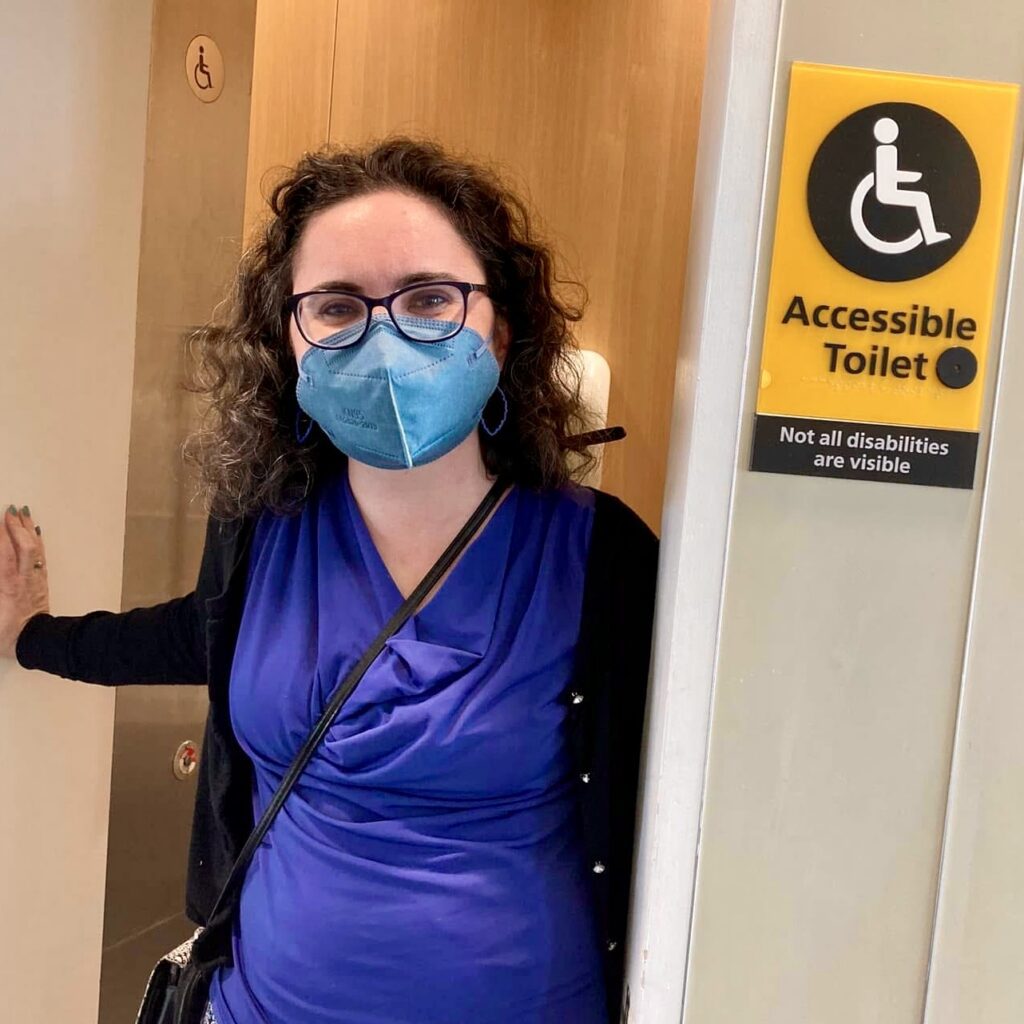
During my first post-transplant trip, I still had feeding tubes, an ileostomy, a central line, and plenty of scars. When I was selected for a pat-down, I requested that it be done privately. It was no big deal. I have been through much worse.
On our return from this most recent trip, customs officers questioned us several times about our medical trunks. Once they saw me waiting in a wheelchair and understood what the luggage contained, we were able to continue without a problem.
Patience, documentation, and a sense of humor go a long way.
My three biggest pieces of advice
1. Communicate.
Speak with your transplant and medical teams well before your trip. This is not necessarily about asking permission. It is about learning how to travel as wisely and safely as possible.

Ask whether your destination is medically appropriate, what to do during an emergency, and where you should seek care if something happens. Review your medications early enough to arrange any necessary refills.
You should also seriously consider travel insurance. Read the policy carefully so you understand what is covered, including cancellations, medical treatment outside your home country, and emergency evacuation. Be prepared for the possibility that you may need to pay for care upfront, even with insurance.
2. Plan, plan, PLAN.
Several months before our trip, I began a running list of questions, supplies, and tasks.
Request a letter from at least one of your medical providers that includes your name, the provider’s contact information and license number, confirmation that you are under their care, and an explanation of why you need your medications or medical supplies.
Research the entry requirements, medication restrictions, electrical outlets, weather, accessibility options, and healthcare resources for each destination. The more you know before leaving, the easier it will be to handle the unexpected.
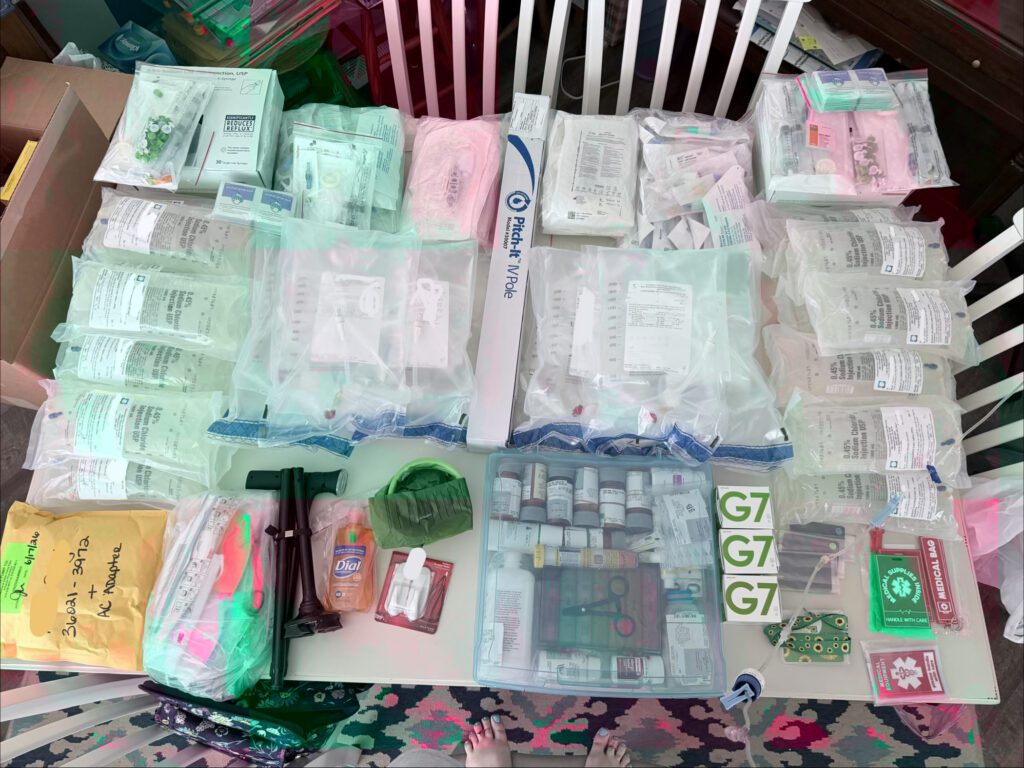
I would rather be overly prepared than discover thousands of miles from home that I forgot something important. I should have been a Girl Scout.
3. As much as possible, go with the flow.
Even with careful planning, something unexpected will probably happen. Arrive at the airport earlier than you think you need to. Give yourself time to rest, ask for assistance, and adjust when plans change.
Most importantly, have fun. Allow yourself to experience something new, or something you once loved and thought you had lost. Take the chances. Make memories. JUST LIVE!
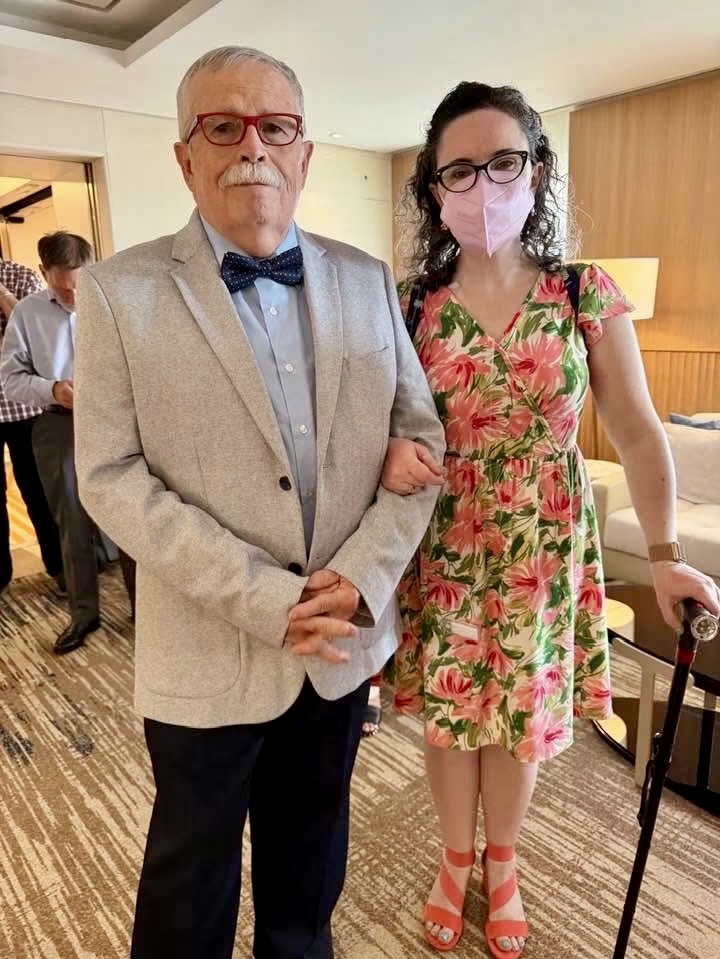
Now that my family and I have learned how to manage international travel with all my medical needs, I keep telling my parents we have to keep traveling. It would be a waste of all that work not to do it again, right?
My experience is specific to my transplant and medical conditions, but I hope it gives other transplant recipients a helpful starting point. Whether you are an experienced traveler or planning your first post-transplant trip, work with your medical team, prepare carefully, and remember why you are going.
Making memories for yourself and with the people you love is one of life’s greatest gifts, right alongside the ultimate gift of “not dying.”



